I consider myself someone who eats pretty well. Plenty of protein, vegetables, fruit, whole foods. As a nutritionist, I know what a balanced diet looks like.
So imagine my surprise when I actually looked at my own fibre intake.
Around 14–15 grams a day!
For women, the recommended adequate intake is 25 grams a day, with good reasons to aim towards 30 grams or more. I was falling well short, and I suspect I'm not alone.
We hear so much about protein, particularly as we move through menopause and beyond, but perhaps fibre deserves a little more attention too.
Fibre does far more than keep us regular, When we think about fibre, most of us probably think about digestion and avoiding constipation. But there's a whole lot more going on.
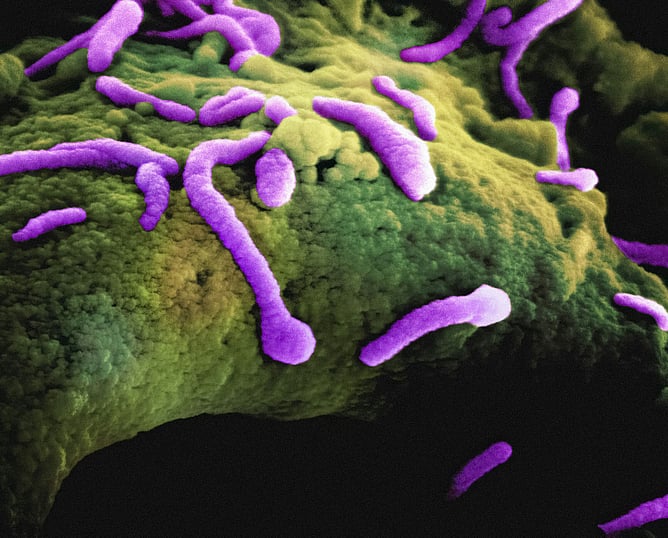
Some types of fibre help manage cholesterol and support steadier blood glucose levels. Others travel through our digestive system to the large intestine, where they become food for the trillions of microbes living in our gut.
And those little microbes have quite a job to do!
When they break down certain types of fibre, they produce compounds that help maintain a healthy gut lining and influence processes throughout the body, including our immune system and metabolic health. Our gut and brain are also constantly communicating, although that doesn't mean eating more fibre will magically fix brain fog. What it does mean is that the food we eat can influence far more than our digestive system. And when we think about protecting our heart, brain and overall health in the decades ahead, that's pretty significant.
It's not just about more fibre. It's about variety.
One of the things I particularly enjoyed learning from my recent conversation with nutrition scientist Dr Joanna McMillan was the importance of eating a variety of plant foods. Different plants provide different types of fibre and other beneficial compounds.
So rather than obsessing over every gram, here's a little challenge:
Can you eat 30 different plant foods over the next seven days?
Before you think that sounds impossible, consider what counts. Oats, almonds, chia seeds, blueberries, carrots, chickpeas, lentils, broccoli, apples, walnuts, brown rice, herbs and spices. They all contribute to variety. You might be surprised how quickly they add up. Or perhaps, like many of us, you'll discover you tend to eat the same handful of foods each week. It's a useful way to explore variety, although it's not a substitute for getting enough fibre overall.
A few easy ways to start
You don't need expensive supplements or a complete overhaul of your eating habits. Try adding berries and seeds to your porridge, choosing wholegrain bread, stirring lentils into a bolognese or keeping frozen vegetables handy for quick meals. And don't overlook the humble tin of beans or bag of rolled oats. Some of our most affordable foods are excellent sources of fibre.
If you're not used to eating much fibre, build up gradually and drink enough fluid. Your gut needs time to adjust.
And if you're interested in looking at your nutrition more broadly, you might enjoy my article What Should I Eat During Menopause? A Practical Nutrition Guide for Women.
Small changes, long-term benefits
This is what I love about nutrition. We don't always need dramatic changes to make a meaningful difference. Sometimes it's simply becoming aware of something we've overlooked, then finding practical ways to do things a little differently.
For me, fibre was a reminder that even when we know plenty about healthy eating, there's always something we can improve. And it's the habits we develop and continue practising that help support our health, not just today, but for the years ahead.
Want to learn more?
I recently had a fascinating conversation with Dr Joanna McMillan, nutrition scientist, dietitian and author of The Fibre Factor, on my radio and podcast programme Menopause: Through & Beyond.
We explored what actually happens to fibre inside our bodies, why our gut microbes matter and how we can look after them.
[Listen to my conversation with Dr Joanna McMillan here
I also thoroughly recommend Joanna's book, The Fibre Factor: A Science-backed Guide to a Healthier Gut, Stronger Heart and Sharper Brain, which brings the science of fibre to life in a wonderfully accessible way.
And if you're wondering whether your current eating habits are supporting your health now and for the years ahead, my Simply Start consultation can help you identify where to focus and what changes are worth making.
Further reading
Nutrient Reference Values for Australia and New Zealand — Dietary Fibre Recommendations. Guidance on daily fibre intake, including 25 grams for adult women.
Reynolds A. et al. (2019) — Carbohydrate Quality and Human Health: A Series of Systematic Reviews and Meta-analyses. The Lancet. Evidence examining dietary fibre, wholegrains and long-term health outcomes.
Dr Joanna McMillan (2026) — The Fibre Factor. Penguin Random House. Further reading on fibre diversity, gut health and practical ways to increase fibre intake.
Menopause: Through & Beyond — Interview with Dr Joanna McMillan on dietary fibre, the gut microbiome and whole-body health.